

Table of Contents
- Why the Pre-Surgical Experience Affects Recovery
- Same-Day Diagnostics: Why the Timing Matters
- Individualized Anesthetic Protocols: What the Difference Looks Like
- Pain Management: The Factor That Changes Recovery Most
- The Recovery Environment and What It Contributes
- What to Ask Before Booking Cat Surgery in Encino
- FAQs
- Why does in-house surgery produce better recovery times than referral surgery?
- Is in-house cat surgery as safe as specialist surgery?
- How long does recovery from cat surgery typically take in Encino?
- Can I be with my cat before they go under anesthesia?
- What signs at home after surgery mean I should call the vet?
- The Full Picture Makes a Real Difference
- FAQs
If you have ever had a cat who needed surgery, you probably remember the logistics involved as much as the procedure itself. The drive to the specialist. The wait for imaging results to come back from an outside facility. The handoff between your regular vet and a surgical team who had never met your cat before. Each of those transitions added time, added stress, and added variables to an already difficult situation.
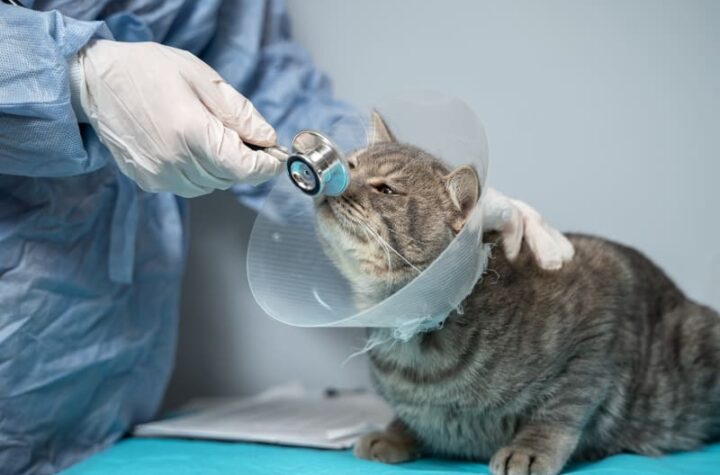
That experience is changing for cat owners in Encino. The shift toward full-service veterinary practices with in-house surgical capability is producing outcomes that are genuinely different from the fragmented model most cat owners are still familiar with, and the difference shows up most clearly in recovery. Cats who go through surgery with less pre-surgical stress, more tailored anesthetic protocols, and a recovery environment managed by the same team who performed the procedure simply do better afterward.
This guide covers exactly how in-house cat surgery is different, why it matters for recovery specifically, and what cat owners in Encino should look for when a surgical procedure is on the table for their pet.
If your cat needs a procedure and you want to understand what the in-house model looks like in practice, cat surgery in Encino at a fully equipped practice gives you a clearer picture than any description can.
Why the Pre-Surgical Experience Affects Recovery
Most people think of recovery as what happens after surgery. The reality is that recovery starts before the procedure begins, and the pre-surgical experience has a direct influence on how smoothly the post-surgical period goes.
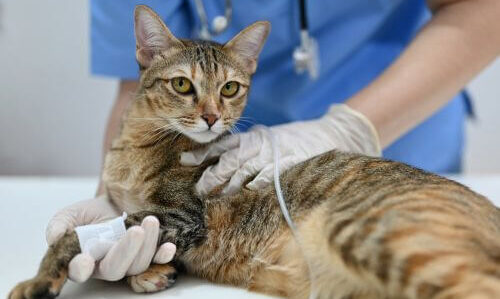
Cats are particularly sensitive to environmental stress. A cat who has spent hours in a carrier, driven across town, been handled by unfamiliar people in an unfamiliar environment, and waited in a space that smells like other animals arrives at the surgical table already physiologically stressed. Elevated cortisol levels affect how the body responds to anesthesia. They affect pain perception during the procedure and the hours afterward. They affect how quickly a cat returns to normal eating, grooming, and activity after going home.
The in-house model reduces this stress load significantly. A cat who goes from their regular exam room to the surgical suite at the same practice, handled by the same team using the same fear-free techniques they use at every visit, arrives at surgery in a meaningfully calmer state. That difference in baseline stress is not trivial. It changes the anesthetic requirements, affects the pain management needs, and shows up in how the cat behaves in the hours after waking up from the procedure.
Same-Day Diagnostics: Why the Timing Matters
One of the clearest practical advantages of in-house cat surgery in Encino is the ability to run all necessary pre-surgical diagnostics during the same appointment rather than across multiple visits or facilities.
Pre-anesthetic bloodwork, the standard blood panel that evaluates organ function and confirms a cat is safe to anesthetize, can be run and reviewed before the procedure begins rather than sent to an outside lab and waited on for 24 hours. This matters for two reasons. It means the surgery can proceed the same day when everything is clear rather than scheduling a separate surgical appointment after results come back. And it means any finding that would change the anesthetic protocol is identified before the cat is on the table rather than after.
In-house digital X-ray and ultrasound add to this picture. A cat coming in for a mass removal may benefit from pre-surgical imaging to assess the extent of the mass and its relationship to surrounding structures. A cat with a suspected foreign body obstruction needs imaging to confirm the location and nature of the object before the surgical approach is decided. When imaging happens in the same building on the same day, the surgeon has a complete picture before making the first incision rather than working from a partial one.
Individualized Anesthetic Protocols: What the Difference Looks Like
Anesthesia is where the in-house model produces some of its most significant advantages, and it is also the area cat owners are often least informed about when comparing surgical options.
Cats are not small dogs. Their anesthetic requirements are genuinely different, and certain drug combinations that are well tolerated in dogs are problematic in cats. Beyond the species difference, individual cats vary considerably based on age, weight, breed, pre-existing health conditions, and the specific procedure being performed. An eight-year-old cat with early kidney disease needs a different anesthetic protocol from a two-year-old cat having a routine spay. A brachycephalic breed like a Persian has airway considerations that change how intubation and recovery are managed.
A practice that knows your cat’s complete health history builds the anesthetic protocol around that specific animal rather than a standard template. The vet who reviewed the bloodwork, assessed the kidney values, noted the prior medication history, and knows the cat’s temperament from previous visits is making more informed anesthetic decisions than a surgical team meeting the cat for the first time on the day of the procedure.
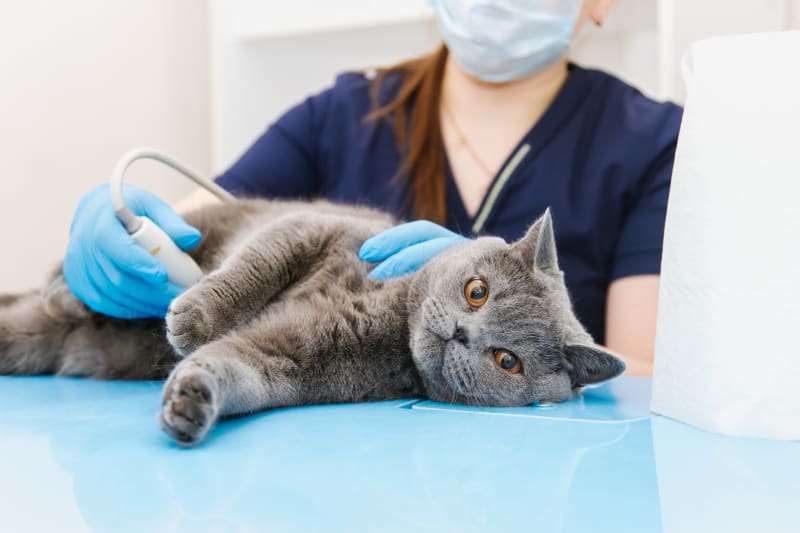
Continuous monitoring throughout the procedure, covering heart rate, blood pressure, oxygen levels, respiratory rate, body temperature, and ECG, provides the safety net that allows any change in the cat’s status to be identified and addressed immediately rather than after the fact.
Pain Management: The Factor That Changes Recovery Most
Of all the factors that influence how a cat recovers from surgery, pain management is the one that owners feel most directly and vets consider most carefully. Undertreated pain after surgery is one of the most common reasons recovery takes longer than it should, and it is an area where the in-house model has a clear advantage.
A multimodal pain management approach, using different drug classes that address pain through different pathways simultaneously, produces better pain control than any single medication used alone. Local nerve blocks placed during the procedure reduce the amount of systemic pain medication needed afterward. NSAIDs, opioids when appropriate, and gabapentin for certain procedures are combined into a protocol tailored to the specific surgery and the specific patient.
The difference this makes in recovery is visible. A cat whose pain is well controlled in the hours after surgery wakes up more calmly, is more willing to eat sooner, grooms themselves more normally, and begins moving around more naturally within the first day. A cat in undertreated pain does the opposite and owners often describe a post-surgical period that feels far more difficult than it needed to be.
When the surgical team and the recovery team are the same people, the pain management plan established during the procedure continues seamlessly through recovery rather than being handed off with notes that may or may not capture all the relevant details.
Call (818) 922-2209 or visit our website to book a surgical consultation for your cat.
The Recovery Environment and What It Contributes
Where a cat wakes up from anesthesia and spends the first hours of recovery matters more than most owners realize. The recovery environment affects how quickly a cat regains normal body temperature, how calmly they come out of anesthesia, and how the post-surgical monitoring is managed.
A dedicated recovery area with individual spaces for each patient, temperature management to prevent post-anesthetic hypothermia, and a technician monitoring each animal as they wake up is the standard of care for a well-equipped surgical practice. Cats recovering from anesthesia in a busy, unfamiliar environment surrounded by dogs and other animals are more prone to stress-induced complications, slower temperature normalization, and dysphoric emergence from anesthesia than those in a calm, quiet space managed by familiar staff.
For veterinary surgery in Encino, the ability to stay in the same facility from pre-surgical preparation through the procedure and into recovery means the cat never leaves the care of the team who know their case. That continuity is not just convenient. It is clinically meaningful.
What to Ask Before Booking Cat Surgery in Encino
For cat owners evaluating surgical options in Encino, knowing which questions to ask helps you identify whether a practice is genuinely equipped for the kind of in-house surgical care described in this guide.
Here are the questions worth asking before booking:
- Is pre-anesthetic bloodwork run in-house on the day of surgery or sent to an outside lab?
- Is a dedicated technician monitoring anesthesia throughout the procedure?
- Is the anesthetic protocol individualized to my cat’s specific health history?
- What pain management approach is used during and after the procedure?
- Where does my cat recover and who is monitoring them as they wake up?
- Will the same team who performed the surgery be available for post-surgical follow-up?
A practice that answers all of these questions specifically and confidently is one that has thought carefully about every stage of the surgical experience rather than just the procedure itself.
FAQs
Why does in-house surgery produce better recovery times than referral surgery?
Less pre-surgical stress, more individualized anesthetic protocols, better pain management continuity, and a familiar recovery environment all contribute to smoother recoveries compared to the fragmented model involving multiple facilities and unfamiliar teams.
Is in-house cat surgery as safe as specialist surgery?
For the range of procedures that a well-equipped general practice handles, including spay, neuter, mass removal, soft-tissue surgery, and foreign body retrieval, yes. Complex procedures requiring board-certified surgical specialists are appropriately referred, but the majority of cat surgeries fall well within the scope of a skilled general practice vet with proper equipment.
How long does recovery from cat surgery typically take in Encino?
It depends on the procedure. Routine spay or neuter recovery takes five to seven days for the wound itself, with full activity resumption at two weeks. More complex soft-tissue procedures take longer. Pain management quality and pre-surgical stress level both influence how smoothly that timeline goes.
Can I be with my cat before they go under anesthesia?
This varies by practice. Many fear-free certified practices allow owners to be present during the pre-anesthetic period to reduce the cat’s stress before the procedure begins. Ask specifically when you book.
What signs at home after surgery mean I should call the vet?
Increasing rather than decreasing incision swelling, vomiting beyond the first 24 hours, complete loss of appetite beyond 48 hours, signs of pain like guarding or reluctance to move, and any discharge from the incision site are all worth a call to the surgical team.
The Full Picture Makes a Real Difference
Recovery from cat surgery in Encino is not just about what happens in the operating room. It is about every decision made before the procedure, the quality of anesthetic monitoring during it, the pain management plan that carries through to discharge, and the continuity of care in the recovery period. The in-house model gets more of these decisions right more consistently than the fragmented alternative, and that consistency shows up in how cats actually recover.
Encino Pet Hospital and Emergency handles cat surgery with in-house diagnostics, individualized anesthetic protocols, continuous monitoring, and a dedicated recovery area managed by the same team throughout. Open seven days a week including holidays.




More Stories
Why Reliable Bulk Oil Dealers Are Essential for Growing Businesses
Accident Recovery Santa Ana: Key Steps After a Vehicle Collision
How Porcelain Veneers Can Improve Your Smile and Everyday Confidence