


Siberian larches (Larix sibirica), majestic coniferous trees native to the cold regions of Russia, are increasingly gaining attention in the fields of forestry, environmental science, and landscaping. These hardy trees not only thrive in harsh climates but also offer numerous ecological and economic benefits. In this comprehensive article, we delve into the seven compelling reasons why you should be talking about Siberian larches, including their excellent qualities for cladding applications.
Table of Contents
1. Exceptional Adaptability to Harsh Climates
Siberian larches are renowned for their extraordinary resilience in extreme weather conditions. Native to Siberia, these trees can withstand temperatures as low as -70°C (-94°F). Their ability to survive in such frigid environments makes them an ideal species for reforestation projects in cold and mountainous regions. The tree’s adaptability extends to various soil types, including poor, sandy, and well-drained soils, ensuring its survival and growth where other species might fail.
2. Vital Role in Carbon Sequestration
In the face of global climate change, the importance of trees in carbon sequestration cannot be overstated. Siberian larches play a significant role in this process. These trees have a high capacity for absorbing carbon dioxide from the atmosphere, thus helping mitigate the effects of climate change. Their dense wood and rapid growth rate enable them to sequester substantial amounts of carbon, making them invaluable in efforts to reduce global carbon levels.
3. Unique Seasonal Characteristics
One of the most striking features of Siberian larches is their deciduous nature. Unlike most conifers, Siberian larches shed their needles in the autumn, creating a beautiful tapestry of golden-yellow foliage. This seasonal shedding not only contributes to the aesthetic appeal of landscapes but also has practical benefits. The fallen needles enrich the soil with organic matter, promoting a healthier ecosystem and enhancing soil fertility.
4. Durable and Versatile Timber
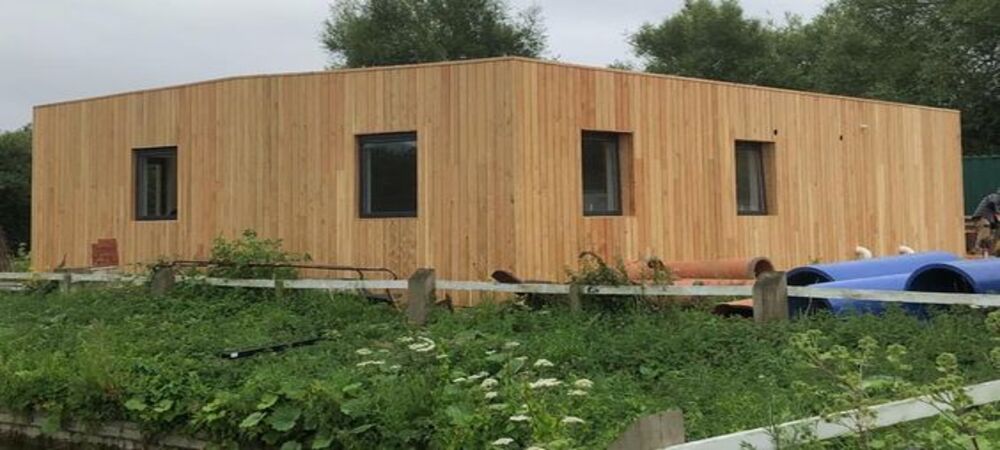
The timber from Siberian larches is highly valued for its durability and versatility. Known for its resistance to decay and insect damage, this wood is widely used in construction, especially for outdoor structures such as fences, decks, and siding. Its high density and strength make it suitable for heavy-duty applications, including railway sleepers and utility poles. Additionally, the aesthetic qualities of Siberian larch wood, with its warm, reddish hue and fine grain, make it a popular choice for furniture and interior design.

5. Ecological Benefits and Biodiversity
Siberian larches contribute significantly to biodiversity and ecosystem health. They provide habitat and food for various wildlife species, including birds, insects, and mammals. The trees support a diverse range of understorey vegetation, promoting a rich and varied ecosystem. Moreover, Siberian larch forests play a crucial role in preventing soil erosion, maintaining water quality, and supporting overall landscape stability. These ecological benefits highlight the importance of preserving and expanding Siberian larch populations.
6. Economic Importance and Sustainable Forestry
The economic benefits of Siberian larches extend beyond timber production. These trees are integral to sustainable forestry practices. They are often planted in mixed forests, which helps maintain ecological balance and reduce the risk of pest outbreaks and disease. The fast growth rate of Siberian larches ensures a steady supply of timber, supporting local economies and providing jobs in rural areas. Furthermore, sustainable management of Siberian larch forests contributes to the long-term health and productivity of forest ecosystems.
7. Potential in Climate Change Research
Siberian larches are of great interest in the field of climate change research. Scientists study these trees to understand how they adapt to extreme conditions and how they may respond to future climate scenarios. The longevity and resilience of Siberian larches provide valuable data on tree growth patterns, carbon storage, and ecosystem dynamics. This research can inform conservation strategies and climate change mitigation efforts, emphasizing the broader significance of Siberian larches in addressing global environmental challenges.
Conclusion
The Siberian larch stands as a symbol of resilience and adaptability, offering a multitude of ecological, economic, and aesthetic benefits. From their ability to thrive in harsh climates to their role in carbon sequestration and sustainable forestry, Siberian larches are a tree species worthy of our attention and appreciation. As we continue to explore and understand these remarkable trees, it becomes clear that they hold the key to addressing some of the most pressing environmental issues of our time.





More Stories